
Ultimate Guide To Concrete Repair Products For Long-Lasting Fixes
Discover essential products that ensure your concrete repairs stand the test of time and withstand daily wear and tear.
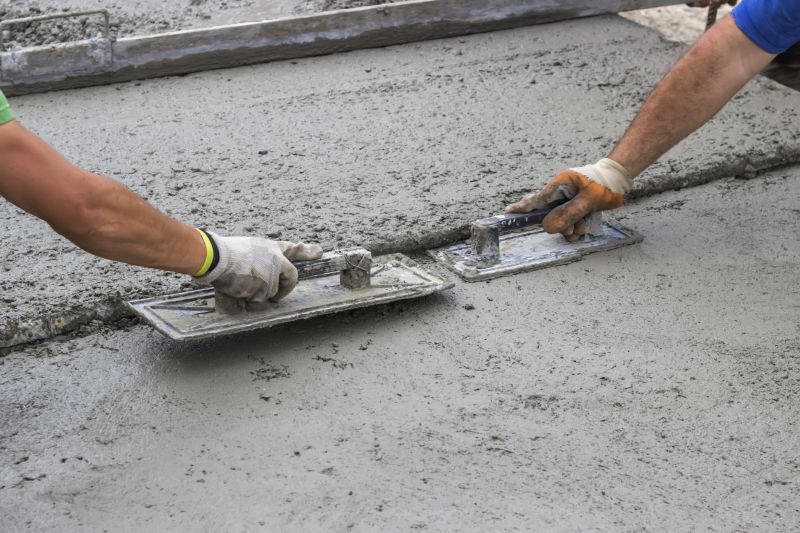 Concrete repair products encompass a wide range of solutions designed to address various types of damage and deterioration in concrete surfaces. From small cracks to large spalls, selecting the appropriate repair material is essential for maintaining the structural integrity and appearance of concrete structures. These products can be used in residential, commercial, and industrial settings, offering options suitable for different repair scenarios. Proper application and choosing the right product type can help prolong the lifespan of concrete surfaces and prevent further damage.
Top Overall Option
Multi-Purpose Concrete Repair Compound
A versatile repair compound designed for filling cracks, spalls, and surface defects in concrete. It offers good adhesion, durability, and ease of application, making it suitable for a variety of repair scenarios. This product can be used both indoors and outdoors, providing a reliable solution for general concrete maintenance tasks.
Types of Products For Concrete Repairs
Epoxy Injection Systems
Used for structural crack repairs where strength restoration is needed, providing excellent bonding and load transfer capabilities.
Polyurethane Foam Sealants
Ideal for sealing active cracks and joints, offering flexibility and waterproofing properties.
Cementitious Patching Mixes
Suitable for filling larger surface defects and spalls, blending well with existing concrete for a seamless appearance.
Self-Leveling Overlays
Used to restore flatness on floors and large surfaces, providing a smooth, durable surface ready for finishing.
Surface Sealers and Waterproofing Coatings
Applied to protect repaired surfaces from moisture ingress and surface wear, extending longevity.
Bonding Agents
Enhance adhesion between old and new concrete layers, ensuring a strong, durable bond.
Quick-Set Repair Mortars
Designed for rapid repairs in high-traffic areas, allowing for quick return to service.
Liquid Concrete Patches
Pre-mixed solutions for filling small holes and cracks with ease and precision.
Fiber-Reinforced Repair Mixes
Contain fibers to improve toughness and crack resistance in repaired areas.
Polymer-Modified Repair Mortars
Offer enhanced adhesion and flexibility, suitable for dynamic or moving cracks.
Concrete Resurfacing Products
Provide a new, durable surface layer over old or damaged concrete, improving appearance and performance.
Crack Filling Caulks
Flexible sealants for minor cracks and surface joints, preventing water intrusion.
Hydraulic Cement
Used for urgent repairs involving active water leaks or seepage, setting quickly to stop water flow.
Polyurea Coatings
High-performance coatings for sealing and protecting concrete surfaces from wear and moisture.
Epoxy Mortars
Heavy-duty repair materials suitable for restoring load-bearing surfaces or filling deep voids.
Popular Choices
Widely used for sealing cracks to prevent water ingress and further deterioration.
Commonly selected for filling larger surface damages and spalls.
Popular for protecting concrete surfaces from moisture-related damage.
Often chosen for structural crack repairs requiring strong bonding.
Used for leveling uneven floors and creating smooth surfaces in high-traffic areas.
Selected for quick fixes involving active water leaks or seepage.
Popular for renewing old or worn concrete surfaces with a fresh look.
Commonly used for joints and minor cracks requiring flexibility.
Chosen for added durability in repairs exposed to movement or stress.
Preferred for their enhanced adhesion and flexibility in dynamic environments.
Convenient for small repairs and quick fixes on various surfaces.
Popular for structural repairs and deep filling applications.
In Windsor, CO, where climate conditions can influence concrete durability, it is particularly important to select repair products that can withstand local weather patterns. Whether dealing with cracks caused by temperature fluctuations or surface scaling due to moisture ingress, there are specialized formulations designed for these challenges. Many repair products are formulated to bond effectively with existing concrete, ensuring a seamless and durable repair. Additionally, some products are designed to be quick-setting for urgent repairs, while others may require longer curing times for optimal strength.
Understanding the different types of concrete repair products is crucial for achieving the best results. From epoxy injections that restore structural integrity to cementitious overlays that improve surface appearance, the variety of options allows for tailored solutions. Proper surface preparation, including cleaning and roughening the damaged area, enhances adhesion and longevity of the repair. Consulting local suppliers or professionals familiar with Windsor's climate can also provide insights into the most suitable products for specific needs.
Overall, selecting the right concrete repair products involves considering the extent of damage, environmental conditions, and the desired longevity of the repair. Investing in quality materials and following manufacturer instructions can help ensure that repairs are effective and durable, contributing to the safety and aesthetics of concrete structures in Windsor, Colorado.
Key Buying Considerations
- Determine the extent and type of damage to select the most suitable product.
- Consider whether the repair needs to be structural or cosmetic.
- Check the compatibility of the product with existing concrete surfaces.
- Assess environmental conditions such as exposure to moisture, freeze-thaw cycles, or chemicals.
- Evaluate the curing time and whether quick-setting options are necessary.
- Look for products with good adhesion properties for long-lasting repairs.
- Choose repair materials that match the surface finish and color, if appearance matters.
- Consider ease of application, especially if DIY repair is planned.
- Review the product’s durability and resistance to wear and weathering.
- Verify if the product is suitable for indoor or outdoor use.
- Check for any special preparation requirements for the surface before application.
- Assess the compatibility with other repair or finishing products being used.
- Determine if the product is suitable for cracks, spalls, or surface overlays.
- Review safety data sheets and handling instructions for safe application.
- Consider the availability of the product and whether professional consultation is recommended.